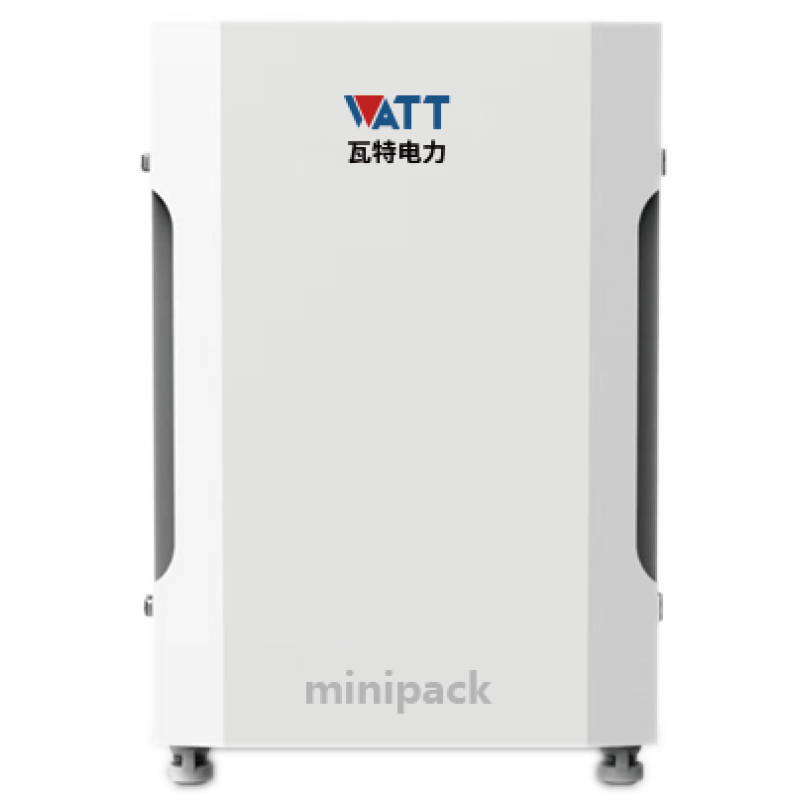
Distribution network platform area energy storage solution
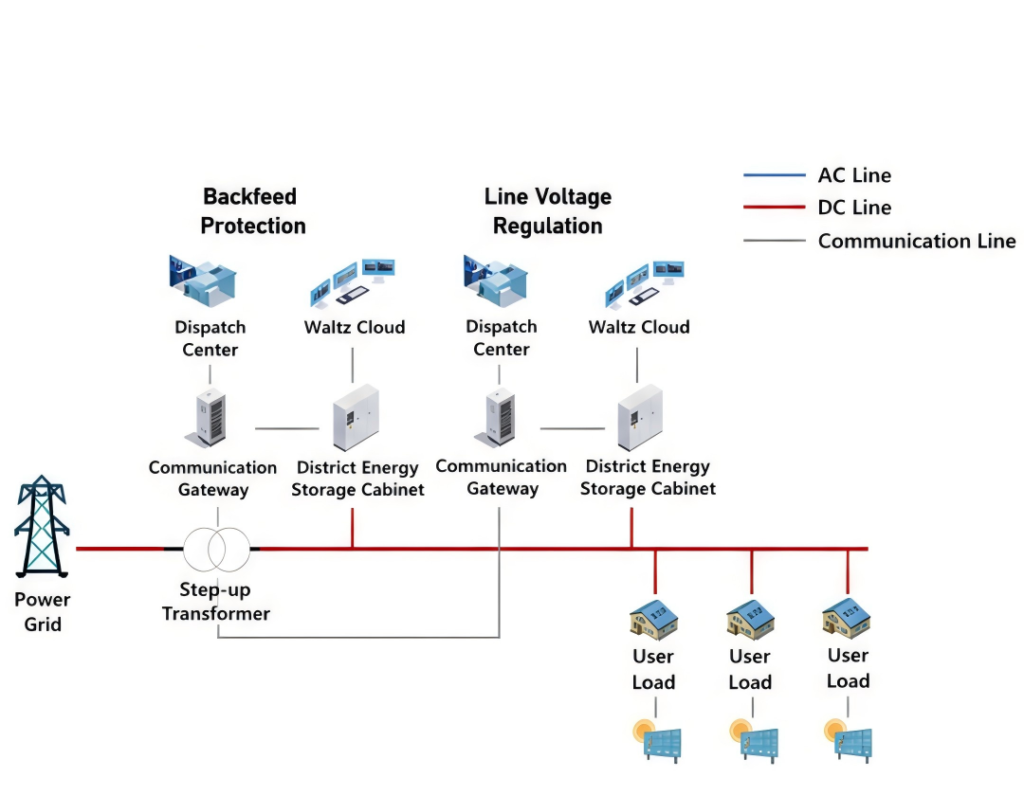
In rural and remote areas, the power supply radius is generally long. During festivals or peak hours in the morning and evening, intermittent low voltage occurs at the end – user side. The transformer – area energy storage system can effectively solve the problem of low voltage at the end. The transformer – area energy storage is connected in parallel to the end of the 0.4kV/10kV line. When the low – voltage treatment mode is activated, the treatment effect is achieved by respectively adjusting the reactive and active power output of the three phases of the energy storage converter, so as to lift the voltage of the end – line.
Thank you for reading this post, don't forget to subscribe!
During the Spring Festival, summer, or farming seasons in rural areas, transformers or low – voltage lines often experience overload. In addition, during holidays, at tourist attractions, large – scale event venues, or when electric vehicles gather, the temporary capacity – expansion problem can be effectively solved by configuring a transformer – area energy storage system.
The transformer – area energy storage is connected in parallel to the front section of the transformer – area transformer. When the heavy overload treatment mode is activated, the energy storage system’s output is adjusted by detecting the real – time load power, which can effectively reduce the transformer’s load rate.
With the large – scale integration of distributed photovoltaic (PV) systems in rural areas, concentrated reverse power flow into the grid occurs during the PV power generation peak period, leading to a reverse heavy overload situation. By connecting a transformer – area energy storage system, the PV power can be consumed locally. When the electricity consumption peak arrives, the stored energy is released to alleviate the peak – valley pressure between power supply and consumption.
The transformer – area energy storage system is configured either at the end of the distributed PV line or at the front of the transformer – area transformer. When line overvoltage or reverse heavy overload occurs, the energy storage system charges to consume the PV power generation. When the PV power decreases and the electricity load increases, the energy storage system discharges to support the electricity demand.
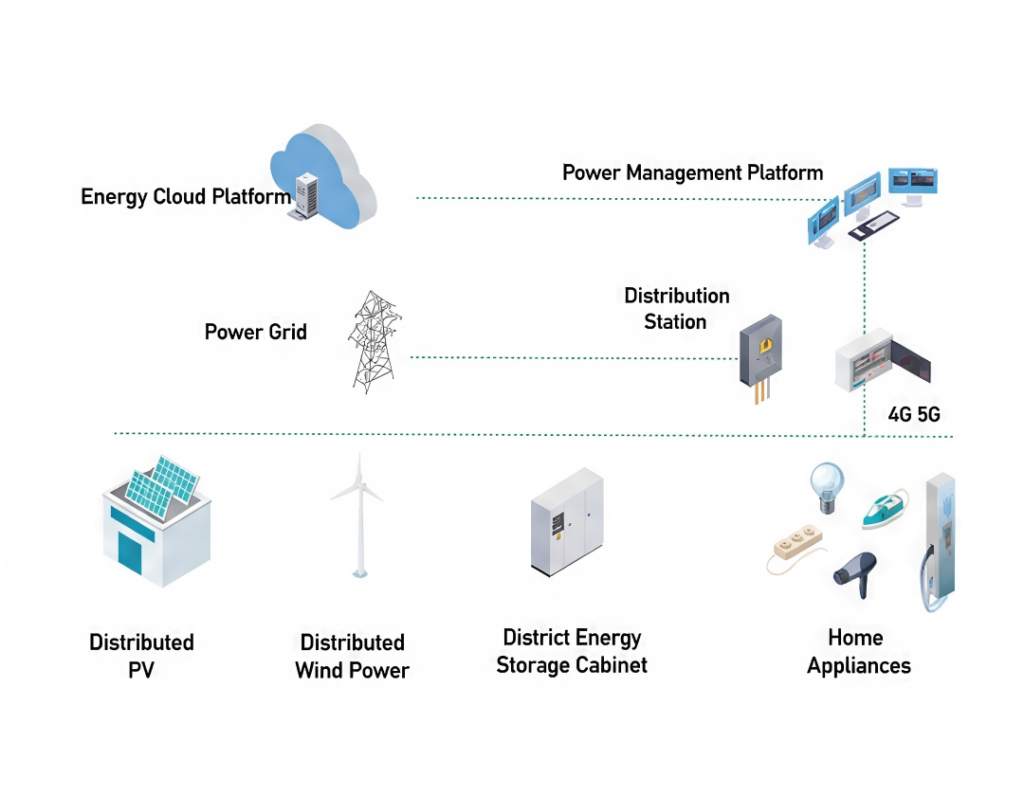
The “Transformer-Area Wind-Solar-Storage-Charging Microgrid” enables the management and control of distributed power sources, energy storage equipment, and loads to form a local power system. This efficiently addresses power quality issues such as local overload, overvoltage, and accommodation (of renewable energy).
Meanwhile, through the coordinated control of “Source-Grid-Load-Storage” resources, the transformer-area microgrid can interconnect with the distribution network automation dispatch platform. This enhances the operational stability of the grid and the consumption capacity of clean energy, realizing the visibility, measurability, controllability, and adjustability of the power system.
Improve the accommodation capacity of large-scale distributed energy
Ensure power supply reliability of the transformer area
Promote coordinated mutual assistance among transformer areas
Realize coordinated interaction between the main grid and the distribution subnetwork
Distributed clean energy, electric vehicle (EV) charging, and terminal electrification will be applied and promoted on a large scale within distribution transformer – area systems. A large number of low – carbon and zero – carbon elements are connected to the end – user grid. The randomness, volatility, and instability of these elements pose great challenges to the operation and management of transformer – area systems. While being unfavorable for the consumption of new energy, the stability of the grid is also threatened.
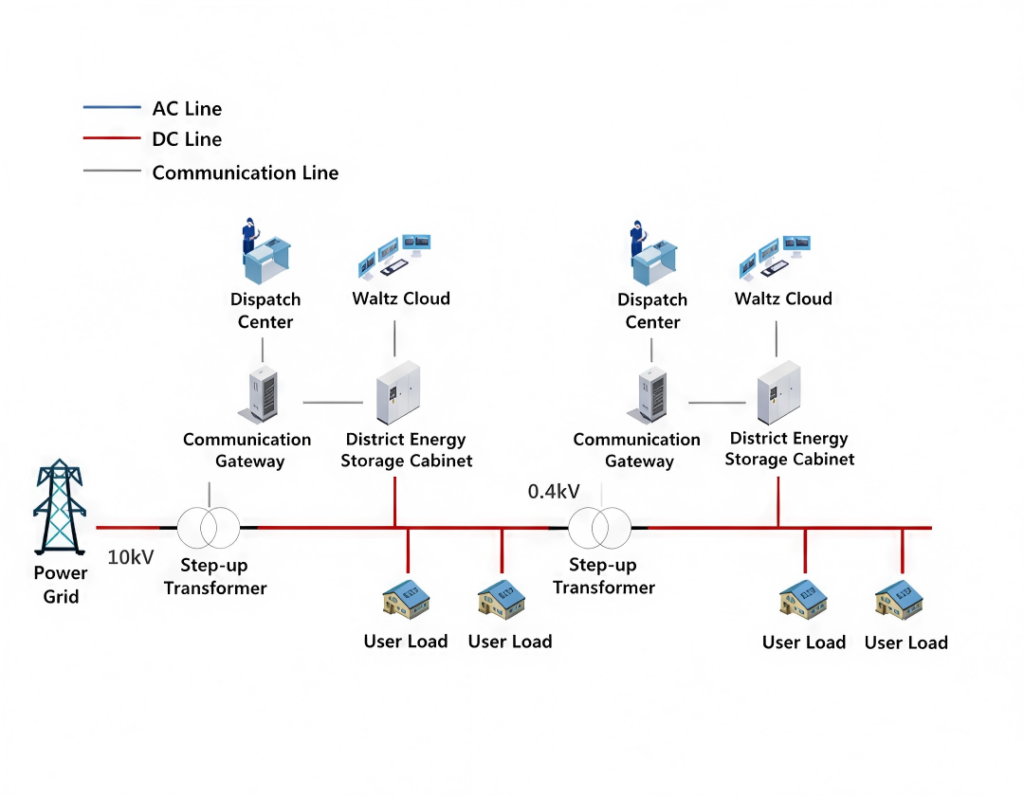
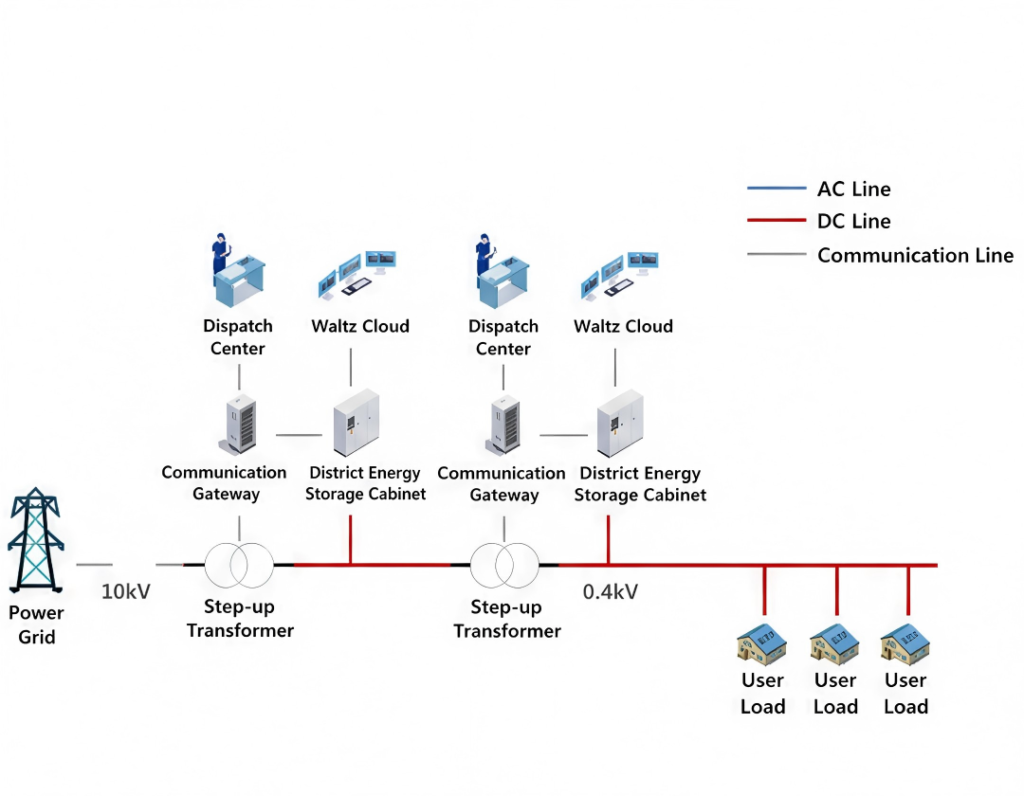
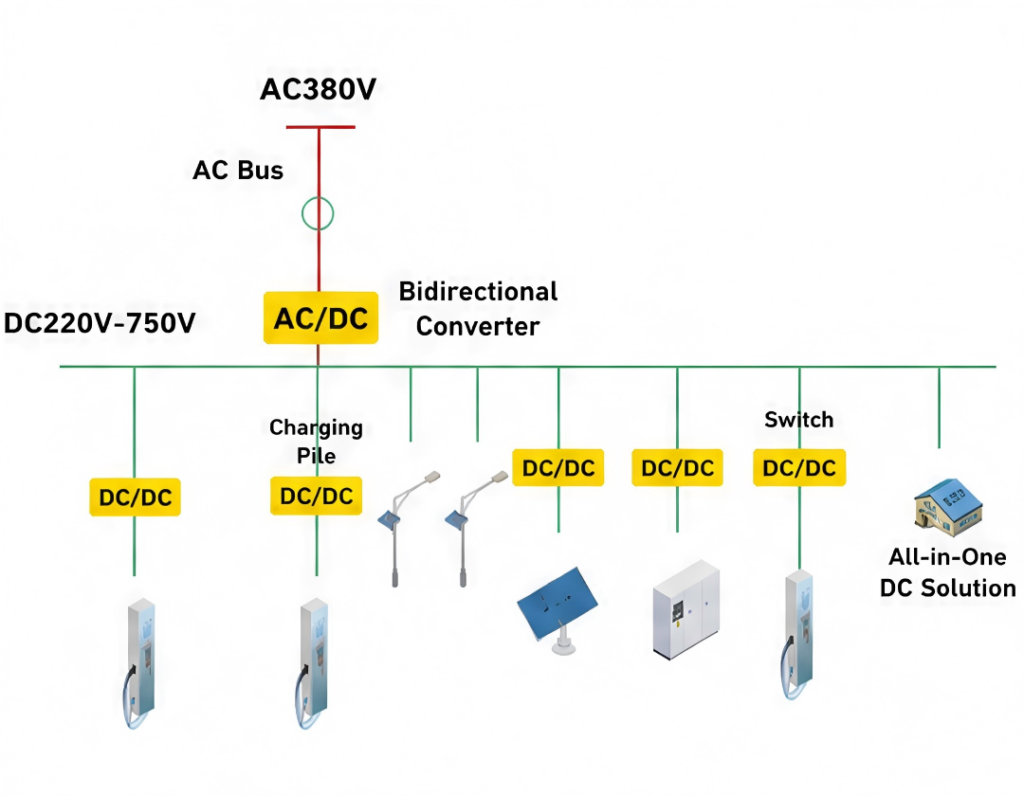
Building a flexible DC interconnection system can comprehensively and efficiently solve problems such as PV consumption, power quality, capacity expansion pressure, power supply reliability, coordinated control of source – grid – load – storage, and balanced mutual assistance among transformer areas.
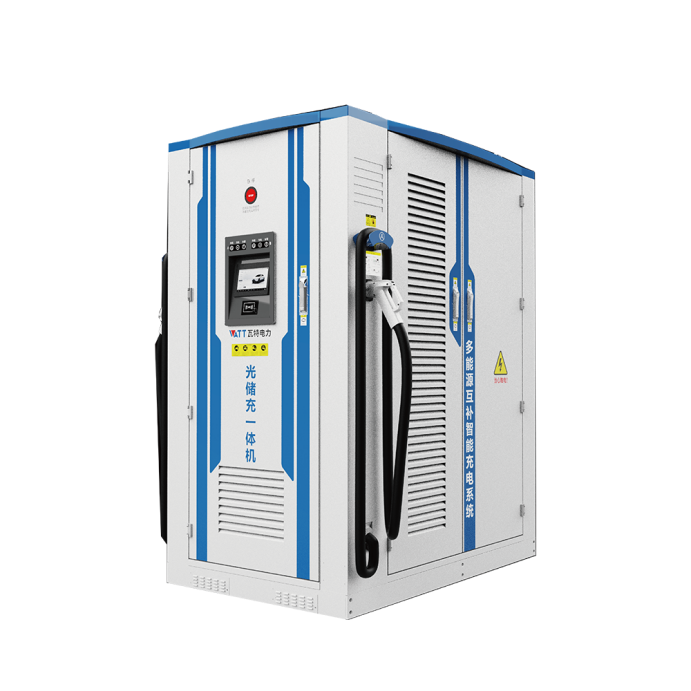
This solution applies to scenarios such as when the grid is abnormal or temporary power is needed for outdoor operations, as well as when mobile charging piles need to be temporarily added during holidays, in scenic spots, and at large – scale event sites. It is compact in size, easy to transport, and offers flexible and convenient deployment.
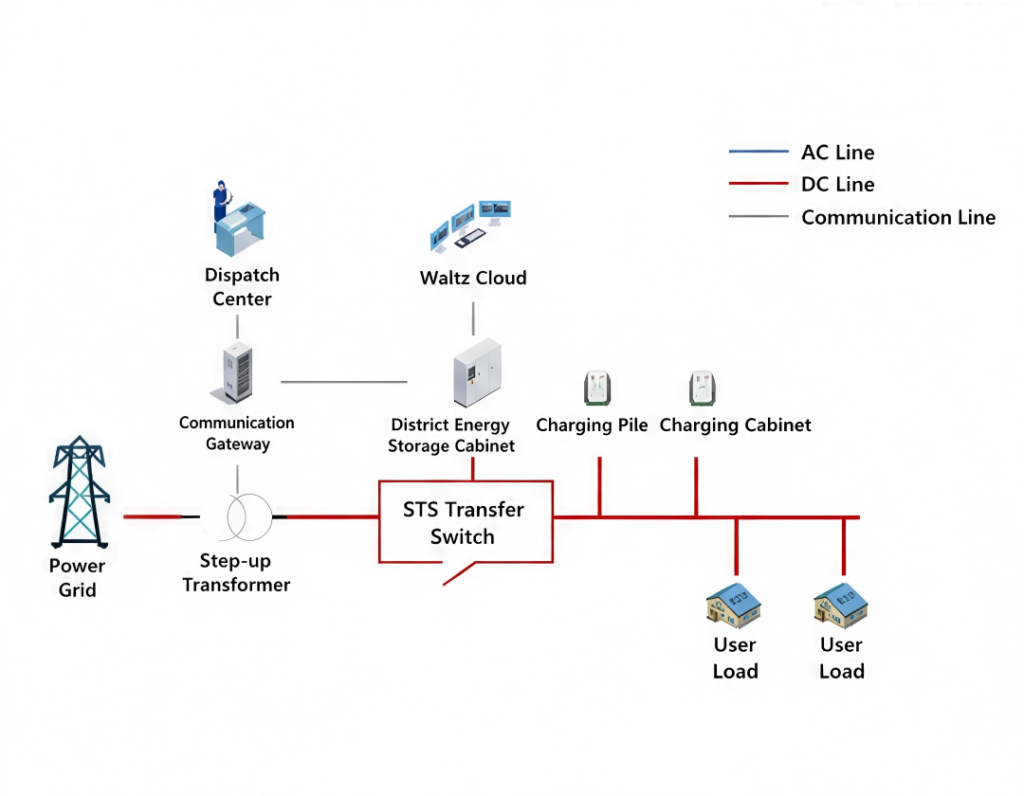
In case of an emergency power outage, the transformer – area energy storage system can automatically and seamlessly take over power supply within 10 ms, ensuring uninterrupted continuous operation of loads and guaranteeing that the power supply to critical loads is not affected.
PRODUCTS
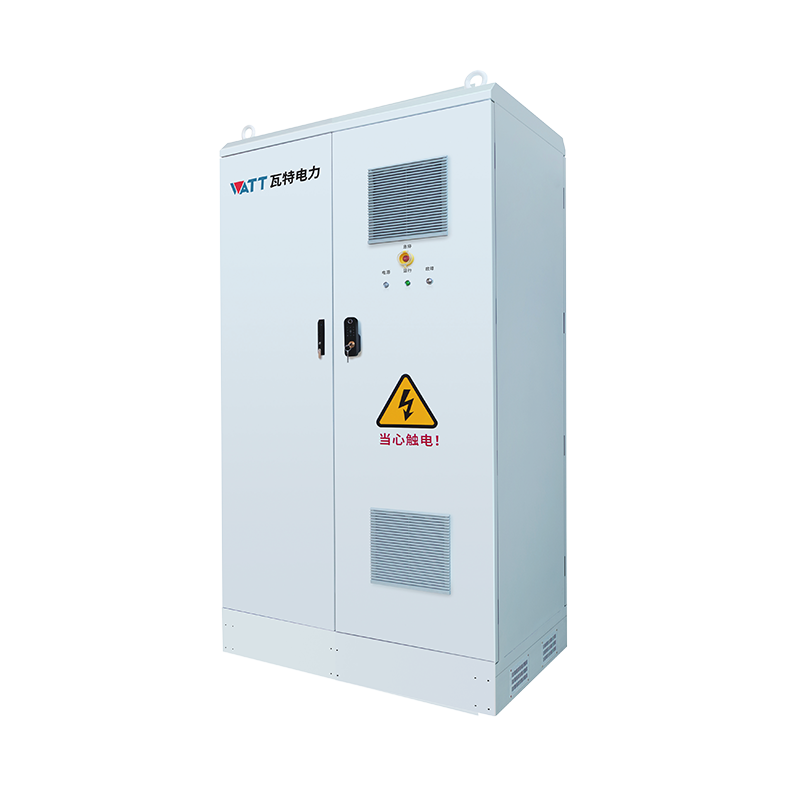
Comprehensive energy storage solution designed for residential communities and districts.
Distribution Area Microgrid / Microgrid Cluster Control Scheme and Control Objectives
Three-Layer Control Architecture for "Inter-Distribution-Area Coordination" and "Master-Slave Coordination"
Distribution Area Microgrid / Microgrid Cluster Control Scheme
Rural distribution areas are characterized by large grid connection, small capacity, long-distance power supply, and extreme environments, leading to low voltage at the feeder end, three-phase imbalance, intermittent output fluctuations from distributed new energy, integration of distributed energy storage, and source-grid-load-storage interaction challenges.
In new energy scenarios, distribution area power quality becomes "controllable." Through the energy management system, optimal dispatching of source-grid-load-storage is achieved, reducing distribution network losses while enabling black-start and islanded operation capabilities.
Establish a "Source-Grid-Load-Storage" collaborative control framework. Relying on edge computing platforms, distribution area microgrids/microgrid clusters achieve coordination among distribution areas, optimization among distribution areas/microgrid clusters, and bidirectional energy interaction with the main grid, thereby enhancing microgrid cluster robustness and distribution network support capability to realize observable, measurable, and controllable power systems.
Control Scheme & Objectives
Three-Layer Control Architecture for "Inter-Distribution-Area Coordination" and "Master-Slave Coordination"
Distribution Area Distributed Energy Resources
Monitor distributed resources including PV, energy storage, EV charging, diesel generators, flexible loads, etc., within the distribution area to achieve "Observable & Measurable" status.
Measurable
Distributed Microgrid Cluster
Through inter-distribution-area energy mutual support and power backup, further expand large-scale distributed energy access and achieve "Controllable" operation.
Intra-Microgrid Coordination
Utilize new energy, flexible loads, EV charging and other resources to achieve black-start and islanded operation, realizing "Observable, Measurable & Controllable" for the distribution area.
Measurable
Controllable
Interested in This Product?
Contact our sales team for pricing, delivery time, and customization options.